World Sight Day 2025: WHO says vision impairment remains a significant global public health concern
 Editor
Oct 9, 2025 01:21
147
0
Editor
Oct 9, 2025 01:21
147
0
From Gabriel Agbo, Makurdi
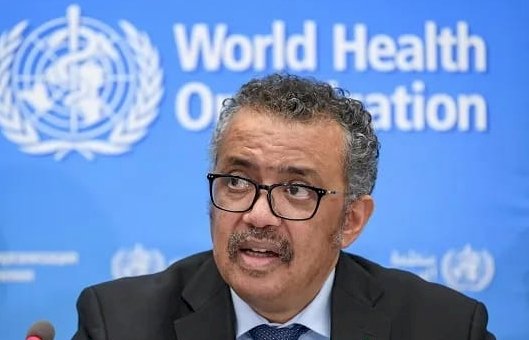
The Regional Director for Africa, World Health Organisation(WHO), Dr Mohamed Yakub Janabi, has called on individuals to reconsider their daily habits and adopt preventive measures against vision impairment and blindness, such as regular eye examinations and timely medical attention.
He said through these actions, optimal eye health and the advantages of good vision can be achieved, adding that through concerted action, the African Region has reduced vision loss resulting from conditions such as vitamin A deficiency, onchocerciasis, and trachoma,.
He maintained that good vision significantly enhances overall well-being, academic performance, employment opportunities, and economic productivity.
Dr. Janabi who stated this in his message on this year's 2025 World Sight Day being observed annually on the second Thursday of October, explained that the day is aim at raising awareness about the importance of maintaining healthy vision.
According to him, eye health faces new challenges due to aging populations, unhealthy lifestyles, environmental factors, inadequate knowledge of good eye health practices, low awareness, altered diets, sedentary lifestyles, and an increase incommunicable diseases, resulting in an increase in preventable vision impairment and blindness, such as refractive errors and cataracts. This complicates the already existing health system challenges.
He added that, to address the increasing challenge posed by refractive errors and cataracts, several strategic interventions have been implemented, stating that one of the most prominent initiatives was Vision 2020: the Right to Sight, which aimed to eliminate avoidable and reversible blindness.
"This global effort placed particular emphasis on cataract-related blindness, aiming to establish sufficient, sustainable, and cost-effective cataract services by 2020.
"In addition, the World Health Assembly adopted decision WHA74(12) in 2021, urging governments to adopt integrated people-centred eye care, with global targets for effective coverage of refractive errors and cataract surgery to be achieved by 2030 – specifically, an increase of 40 percentage points in the coverage of refractive errors and 30 percentage-points in cataract surgery.
"Furthermore, the SPECS 2030 initiative, launched by WHO in June 2024, envisions that by 2030, everyone in need of refractive error services will have access to quality, affordable, and people-centred care.
"The initiative focuses on strengthening service delivery, expanding the eye health workforce, raising public awareness, reducing the cost of refractive services, and enhancing surveillance systems to meet global targets for effective coverage.
"In the African Region, eight Member States have initiated implementation of the SPECS 2030 initiative, with some already engaging stakeholders and developing work plans, while others remain in the planning phase.
Despite the various efforts undertaken to reduce vision loss and blindness, significant challenges persist across the African Region", he alluded.
The Regional Director explained that in 2021, only 32% of Member States had developed a national policy document specifically addressing vision loss and blindness. This limited policy coverage reflects a broader gap in prioritization and resource allocation for eye health.
He noted that the current levels of service coverage also highlight the magnitude of unmet need, saying effective coverage for cataract surgery in the Region stands at just 26%, meaning that only about one in four individuals requiring cataract surgery have undergone the procedure with a good visual outcome.
"Similarly, effective refractive error coverage is estimated at 30% in the Region, indicating that only one in three people who need vision correction with eyeglasses have been successfully treated to achieve good vision. These figures underscore the urgent need for stronger health system integration, increased investment, and targeted strategies to improve access to quality eye care services.
"Further action is needed to ensure equitable and sustainable eye care across countries. In line with resolution WHA78.7, Member States are urged to increase awareness, reduce stigma, and empower individuals with sensory impairments. This entails developing national strategies aligned with WHO guidance, integrating sensory care and assistive technologies into health benefit packages with sustainable funding, expanding and training the health workforce, and incorporating sensory health indicators into national information systems to guide evidence-based policies.
"Policy-makers should also utilize global platforms, such as World Sight Day, to raise public awareness and promote early detection. Countries are encouraged to use WHO technical tools – including data collection instruments, situation analysis frameworks, and digital innovations such as WHO Eyes, a free smartphone application for vision assessment – to support routine screening and strengthen policy and advocacy efforts", he concluded